Space and dignity
A person, not an animal
The architecture of correctional facilities

Article contents
- People and space
- Spaces that restore hope
- Setting: nature as a remedy
- Layout: an environment with room to breathe
- Building services: caring for body and mind
- Lighting: light that heals
- Finishes: materials that do not oppress
- Privacy: the right to be yourself
- Technology: a step into the future
- Accessibility: a prison for everyone
- Architecture as a mission
People and space
“A person who has hurt others must answer for their actions. But our aim is not simply to punish them: it is to understand why they did it and give them a chance to change. One day, they will be your neighbour. And we want them to be a good citizen,” says Linn Margaret Andreassen, a prison officer at Halden Prison.
Have you ever wondered what a person feels when they cross the threshold of a prison? Not simply an “offender”, but an individual—with fears, hopes and a spark that might kindle a new life or be extinguished by the weight of the walls. Prison is a place where punishment exists alongside the possibility of reflection, where people may lose themselves or discover a new path. Today, more than 10.3 million people worldwide are behind bars (UNODC). The prison population is growing, particularly in countries where social and economic upheaval fuels crime, as the Prison Policy Initiative notes. But what if, instead of locking people in concrete boxes, we created spaces that helped them return to society renewed and avoid reoffending?
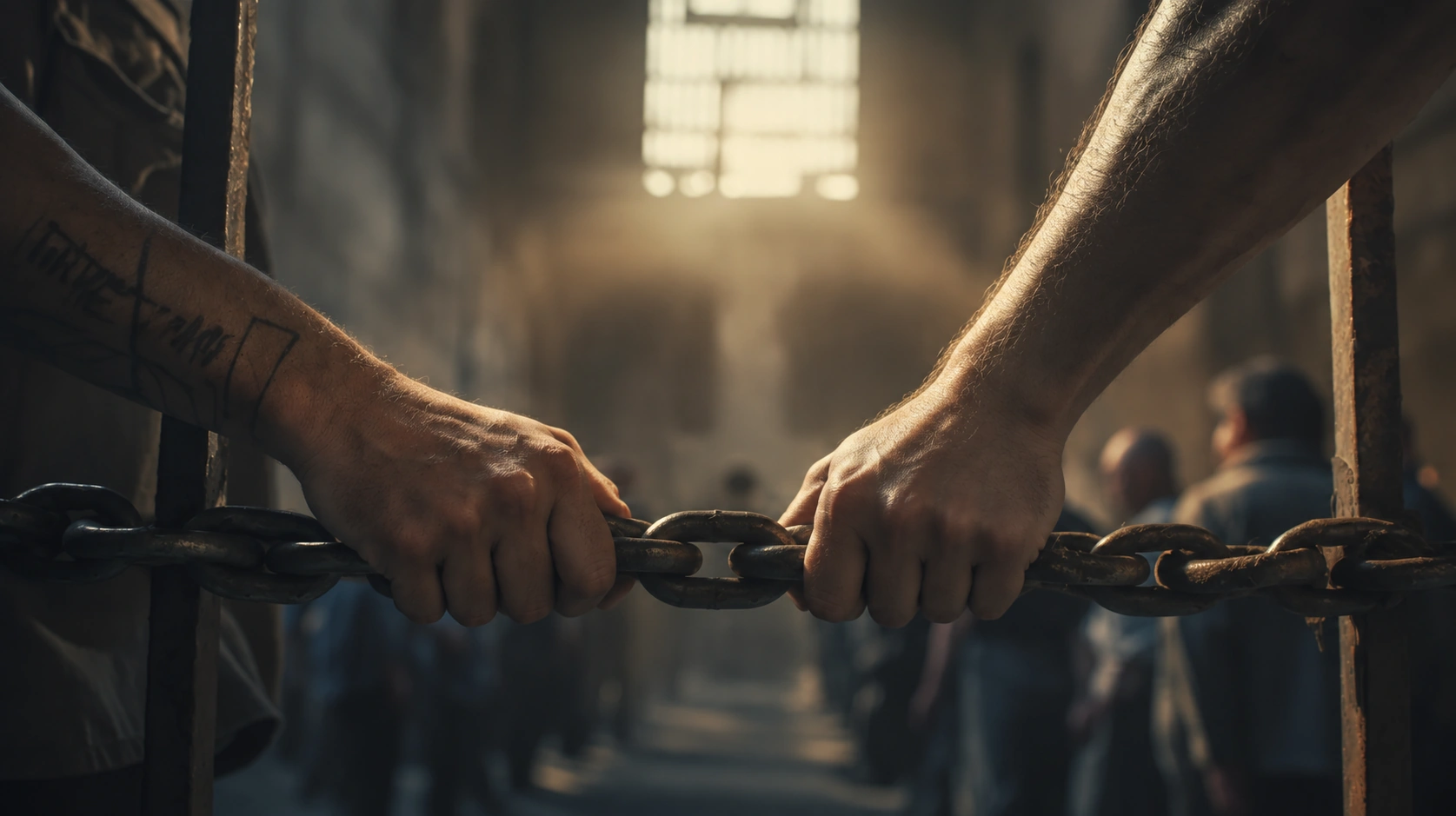
Prison is where punishment meets hope, and control meets dignity. As architects, we stand at this crossroads with a tool that can either break a person or offer them a chance. In this article, I want to explore how prison space can become a route towards a new life rather than a place of alienation. How can we gradually transform correctional facilities from symbols of punishment into places of healing, drawing on research, examples and a belief in people?
Spaces that restore hope
Imagine a prison where grey walls give way to windows overlooking green fields; where oppressive silence is replaced by rustling leaves; where people feel like individuals rather than numbers. Halden Prison in Norway is no fantasy. It is a reality. There are no bars on its windows. Prisoners live in rooms resembling small apartments, with televisions, refrigerators and bathrooms. They cook, study and work, almost rehearsing life outside. Gyms, music studios and outdoor recreation areas all serve one purpose: restoring a sense of dignity. The result? Norway’s recidivism rate is just 20% (Correctional Service of Norway, facts about the Norwegian Correctional Service), compared with a global average of 50%. Halden demonstrates that when people are treated as people, rather than “animals in cages”, they begin to believe in themselves and change their lives.
But how do we create such a space? How can a prison become a place where people find hope rather than lose it? Let us look at the key architectural elements that can transform correctional facilities, from their wider setting to individual cells, taking inspiration from leading examples and research.
Setting: nature as a remedy
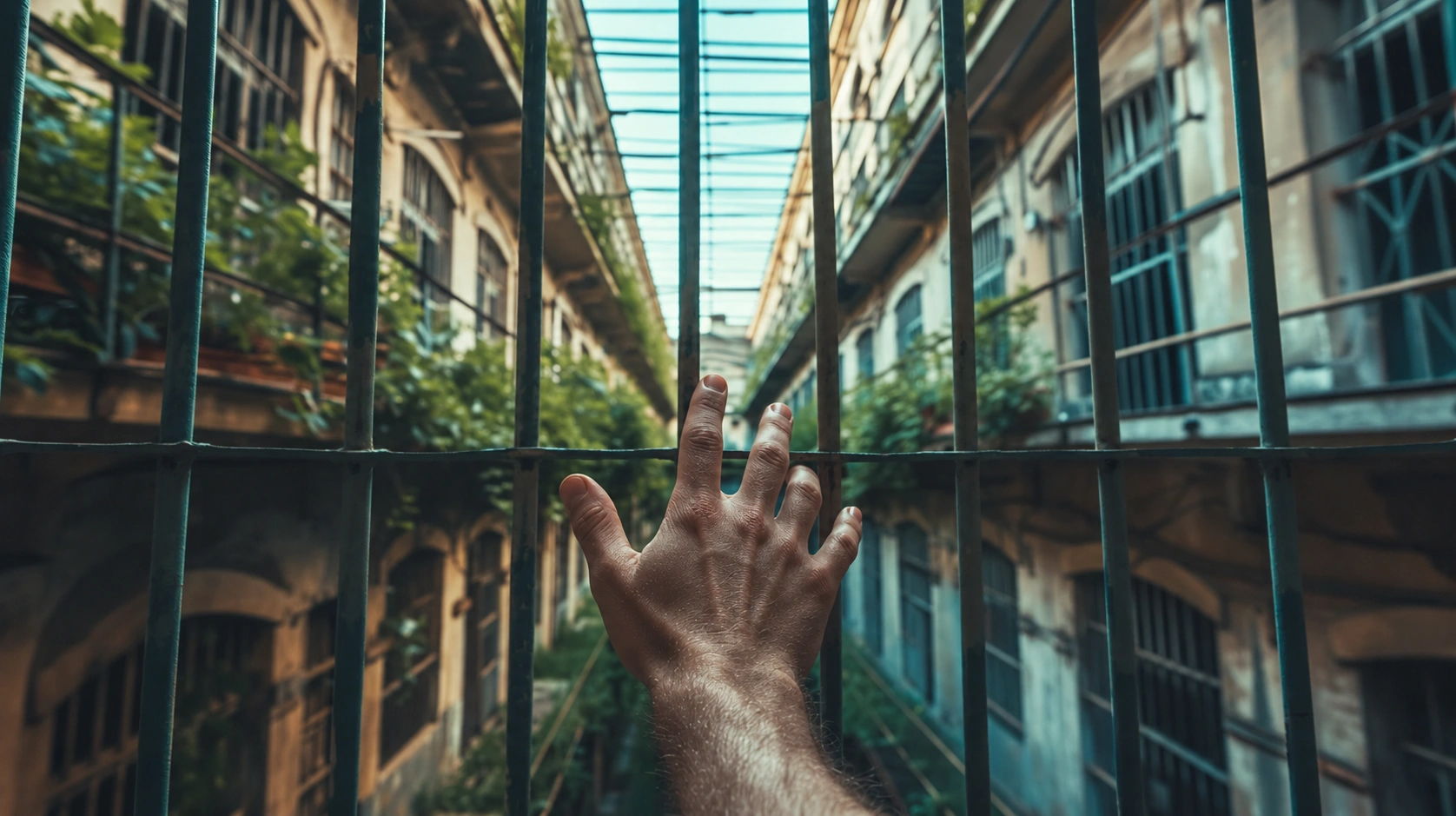
Close your eyes and imagine being locked in a concrete box, with nothing to look at but the grey wall opposite. How long could you hold on to hope? Now imagine a green meadow, trees and sky outside your window. A study by Moran and Turner (2019, Environmental Behavior) found that green spaces in prisons reduced prisoners’ emotional tension by 25% and improved staff mood by 30%. At New Zealand’s Otago Corrections Facility, landscape design incorporating gardens and open spaces offered relief: prisoners became less confrontational, their anxiety decreased and staff felt more comfortable.
A view of nature is not a privilege; it is a foundation for psychological balance. It offers a sense of connection with the world and eases boredom, fatigue and irritability. A prison’s surroundings should feel alive, with trees, paths and places to walk. Yet observation alone is not enough. Prisoners should have opportunities to participate: planting flowers, tending gardens and becoming part of a living process. This develops care, patience and a sense of being needed—qualities that will matter after release. Architects can turn a prison yard into an oasis where people feel part of the world rather than excluded from it.
Layout: an environment with room to breathe
A prison’s layout is its heart and soul. Traditional blocks, with cells lined up like cages, intensify isolation. A 2020 study (Psychological Services) found that isolation and a lack of social interaction increased suicide risk by 45%. Overcrowded prisons, with very little space per person, compound the problem. In US facilities holding more than 1,400 prisoners, suicide rates are ten times higher, psychiatric hospitalisation rates are 78% higher, and mortality excluding suicide and homicide is three times higher than in smaller prisons (Journal of Correctional Health Care, 2019). Overcrowding breeds stress, aggression and insomnia.
There is another approach. Bastøy Prison in Norway is organised as a community rather than a conventional correctional facility. Prisoners live in small houses resembling shared accommodation, with space both for privacy and for social interaction. Cells are rooms where people can breathe, rather than cages. This arrangement helps preserve personal boundaries and a sense of control. Architects need to find a balance: providing a place of one’s own alongside shared workshops, classrooms and kitchens. Fewer bars, more light and air—and we can see behaviour begin to change.
Building services: caring for body and mind
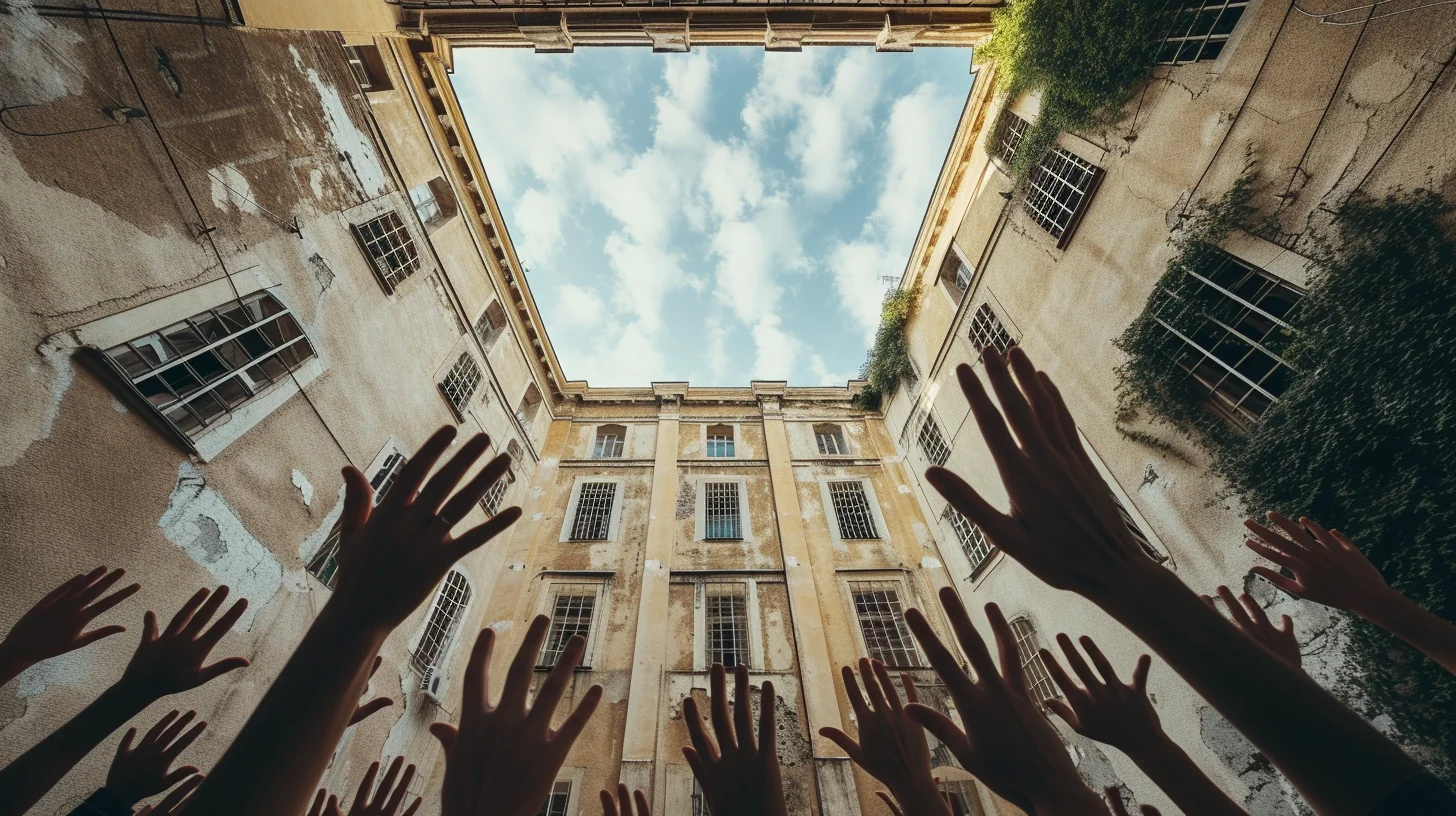
The noise of rusty pipes, the hum of ventilation and the smell of damp can turn a prison into a place where people lose their health as well as their freedom. Poorly designed building services are more than a technical problem. They create chronic stress that can lead to hypertension, vascular disease and asthma. Poor ventilation increases the risk of infection and “sick building syndrome”, when indoor air becomes suffocating. Limited access to clean water, showers or toilets undermines morale. Even something as small as a missing shelf for toiletries can make daily life a source of frustration.
Good building services underpin human dignity. Effective ventilation, sound insulation, clean water and well-designed sanitary facilities create a sense of order and stability. A warm shower, a shelf for soap, clean air: these simple things remind people that they deserve care. Such details help prisoners value themselves and their surroundings, a habit that will matter after release.
Lighting: light that heals
Light is more than a means of seeing. It shapes mood, health and hope. A University of Surrey study (2021, Sleep Health) found that access to daylight reduced depression among prisoners by 30% and improved sleep quality by 20%. Harsh fluorescent lighting disrupts circadian rhythms, increases anxiety and makes concentration harder. Thoughtful lighting, by contrast, can calm people, support focus and ease pressure on prisoners and staff alike.
Windows should be generous while avoiding glare that strains the eyes. LED systems with adjustable brightness and colour temperature can create a comfortable atmosphere and support the rhythms of day and night. For staff, good lighting improves observation, reduces fatigue and supports attention. Light is more than a collection of lamps. It is a tool that says: “Life goes on. You have a tomorrow.”
Finishes: materials that do not oppress
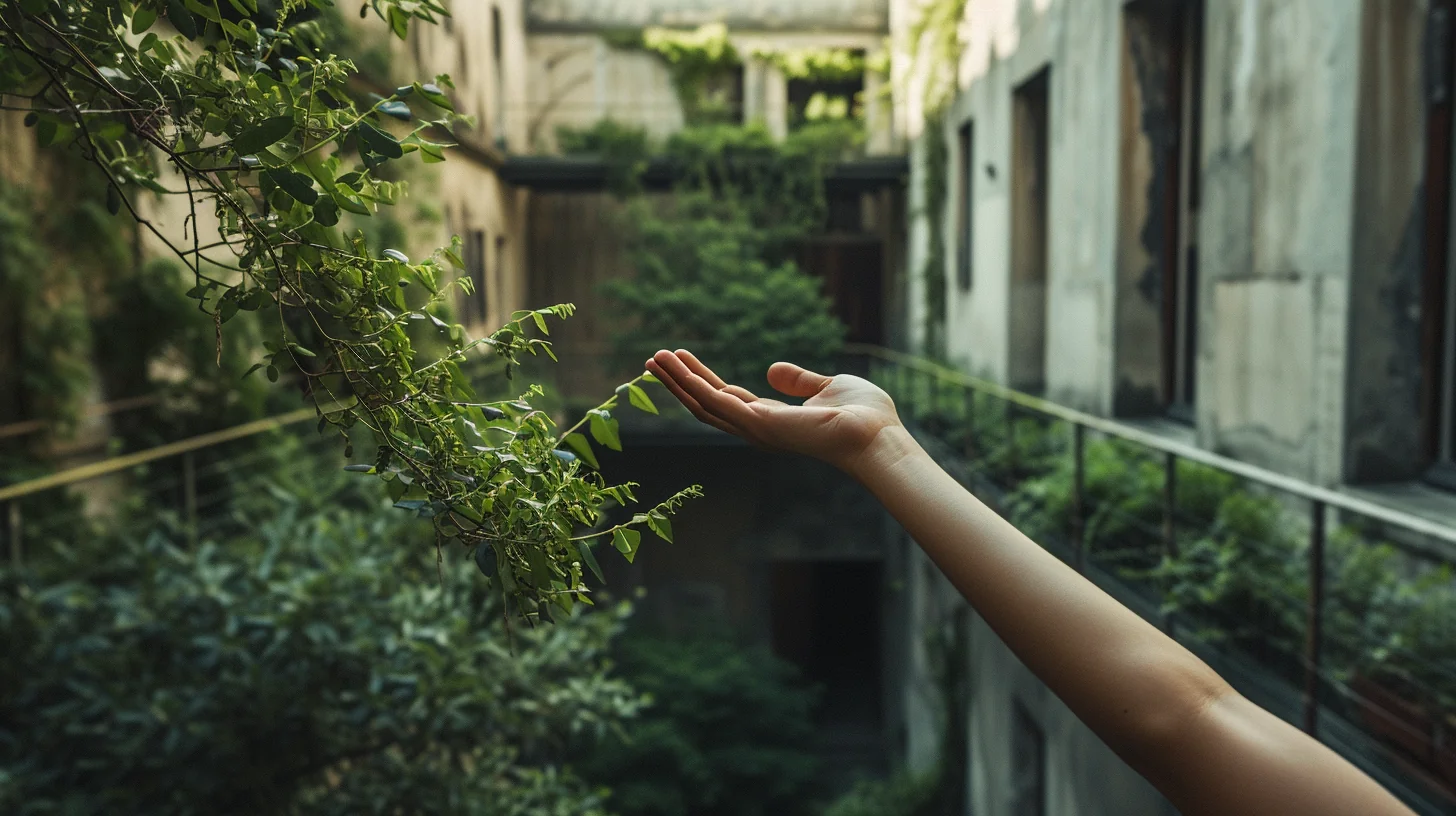
Concrete walls and metal bars are familiar features of prisons. These materials are durable, but also cold, hard and lifeless. Concrete and metal retain heat or cold, making cells uncomfortable. A 2021 study (International Journal of Prison Design) found that hard surfaces prompted a desire to “break” the space, while softer materials, such as wood and textiles, created a sense of comfort and curbed destructive impulses.
Materials in prisons should have a human quality. Wood instead of steel; softer finishes instead of bare concrete. Neutral colours, pleasing textures and easy-care surfaces help prisoners feel they inhabit an environment with room for dignity. Cleanliness and simplicity in finishes are about more than aesthetics. They remind people that they deserve respect, even behind bars.
Privacy: the right to be yourself
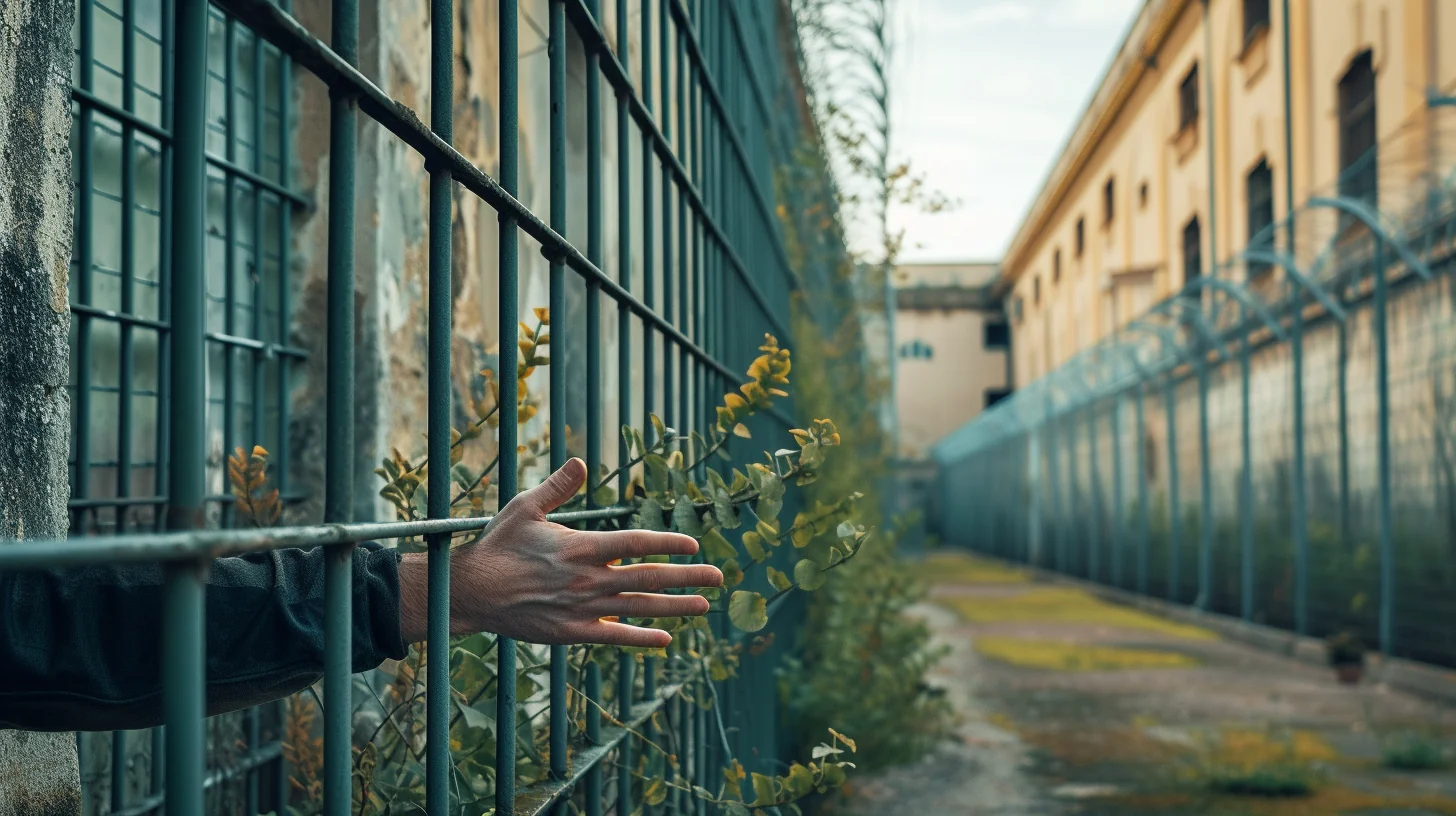
In prison, where every step is monitored, privacy is rare. Yet without it, people can lose their sense of self. In 1981, Ernest O. Moore (The Effects of the Prison Environment on Health Care Service Demands) identified acoustic, visual and spatial privacy as essential to making prisons more humane. Sound-insulated cells, private rooms for meetings with lawyers and places for reflection help people manage stress and recover a sense of identity. A 2019 study (Journal of Correctional Health Care) confirmed that privacy reduces aggression and anxiety.
Space that respects personal boundaries gives people a chance to reflect. This must not compromise safety. Architects can find a balance through sound-insulating materials, opaque partitions and thoughtful layouts. Privacy is not a privilege. It is a necessary condition for remaining human, even within a confined environment.
Technology: a step into the future
Modern prisons depend on technology as well as architecture. Wireless cameras, biometric scanners and telemedicine systems can make life easier for prisoners and staff. Body scanners, like those used at airports, can replace humiliating searches while preserving dignity. Access to video calls, secure internet services and educational platforms creates opportunities for learning and staying in touch with family. This is more than a means of control; it is a chance to grow. Technology helps prisoners reconnect with the outside world, learn new skills and prepare for life after release.
Accessibility: a prison for everyone
Many prisons built in the nineteenth and twentieth centuries do not meet the needs of older people or people with physical or mental impairments. Missing ramps, handrails and clear signs make everyday life harder and less safe. A 2020 study (Psychological Services) found that a lack of accessibility increased the risk of mental health disorders among prisoners with disabilities. But the issue extends beyond physical access. Prisons are often unprepared to support people with dementia, behavioural difficulties or a need for social care.
What can help? Specialist healthcare units, creative workshops and sports facilities. Such places can restore a sense of support for both body and mind. Accessibility means caring for people living with mental health conditions or needing assistance. We need to design environments where people feel supported and cared for, rather than pressured and afraid.

Architecture as a mission
Prison need not be the end of the road. It can offer an opportunity to begin again. Someone who has committed a crime is still a person. Our task is not simply to lock them away, but to give them a chance to change. Architecture can help provide that chance. It can transform a prison from a place that breaks lives into one where new possibilities emerge.
As the creators of spaces, we are responsible for the people who will inhabit them. Every architectural detail—from a wall to a window, from light to shadow—reflects a choice. A choice between punishment and hope, between a cage and a home.
I believe architecture can change lives. Rooms where people can be alone help restore a sense of self. Healing light, supportive technology and spaces that encourage care are more than tools. They form a language of compassion and respect. Working with engineers, psychologists and social workers, we can create prisons where care and recovery are part of the structure itself.
Prisons that heal.
Let architecture say: “You are not lost. You have a tomorrow.” Ultimately, these people are not simply prisoners. They are our future neighbours. And we want them to return to the world in a better place than when they left.