Home and care
Home is where the heart is
Architectural spaces for older people
Article contents
Closeness and independence
Once, several generations shared a roof. In Eastern Europe and Asia, this was common until the mid-twentieth century. Grandmothers baked pies, grandfathers told stories, and children ran around the yard, knowing their family was close by. But life has picked up pace, and adult children increasingly move away, leaving their parents miles behind. This raises a question: how do we surround our loved ones with care when distance separates us?
A study by the American Institute of Family Policy (2020) found that more than 40% of older people living far from their families miss the emotional warmth of their loved ones. They lose out on the joy of connection that nourishes the heart and gives us strength. Of course, it is possible to hire a carer, but someone from outside the family cannot replace warm evenings together, with grandchildren sharing stories over a cup of tea.

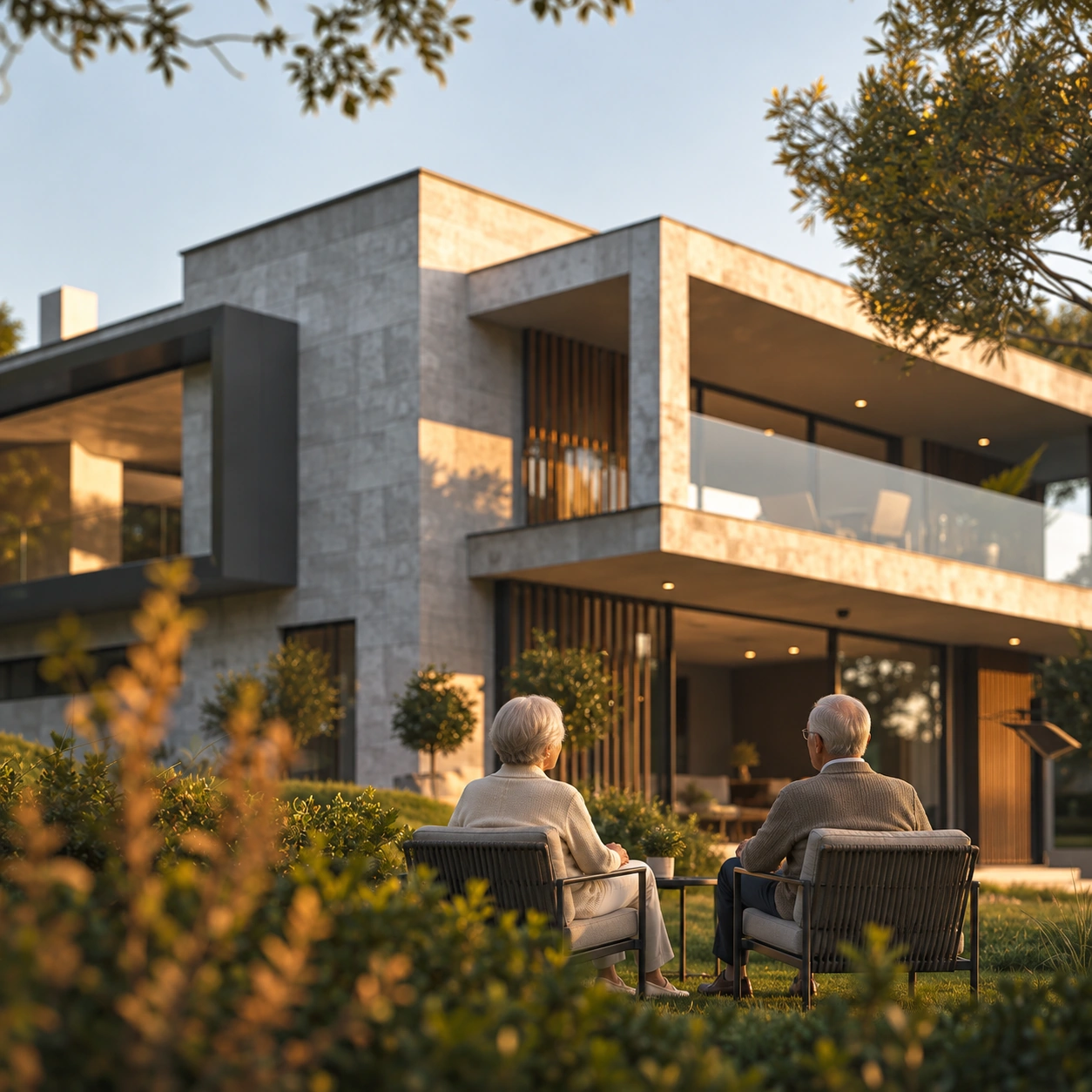
Architecture offers a solution: homes where everyone is close, yet each person has a place of their own. This might be a small home for a grandmother in the garden, or a welcoming extension with a separate entrance. Models such as Australian granny flats show how being near family can improve older people’s lives while preserving their independence. One resident explained: “I see my grandchildren every day, but I have my own little world” (Australian Housing and Urban Research Institute, 2020). In Scandinavia, the cohousing communities described in the Nordic Co-Housing Report (2019) bring people together without restricting their freedom. They help families stay close and care for one another.
Although older people may dream of being closer to family, they also value their freedom. Moving to a new home can be a difficult experience if it takes away familiarity and independence. Imagine leaving a place filled with decades of memories. It is especially hard when circumstances force the move, rather than it being a personal choice. A study published in The Gerontologist (2001) found that an involuntary move can increase anxiety and loneliness, while people who remain in familiar surroundings feel happier. Yet the picture is not entirely straightforward. In 2002, the European Centre for Ageing Studies reported that a new home can, on the contrary, improve older people’s health and mood if it offers comfort, supports their independence and helps them stay connected to loved ones. That is what I want to explore here: a new home with room for family gatherings and personal retreat. A place where moving becomes a joyful new chapter.
Home and nature
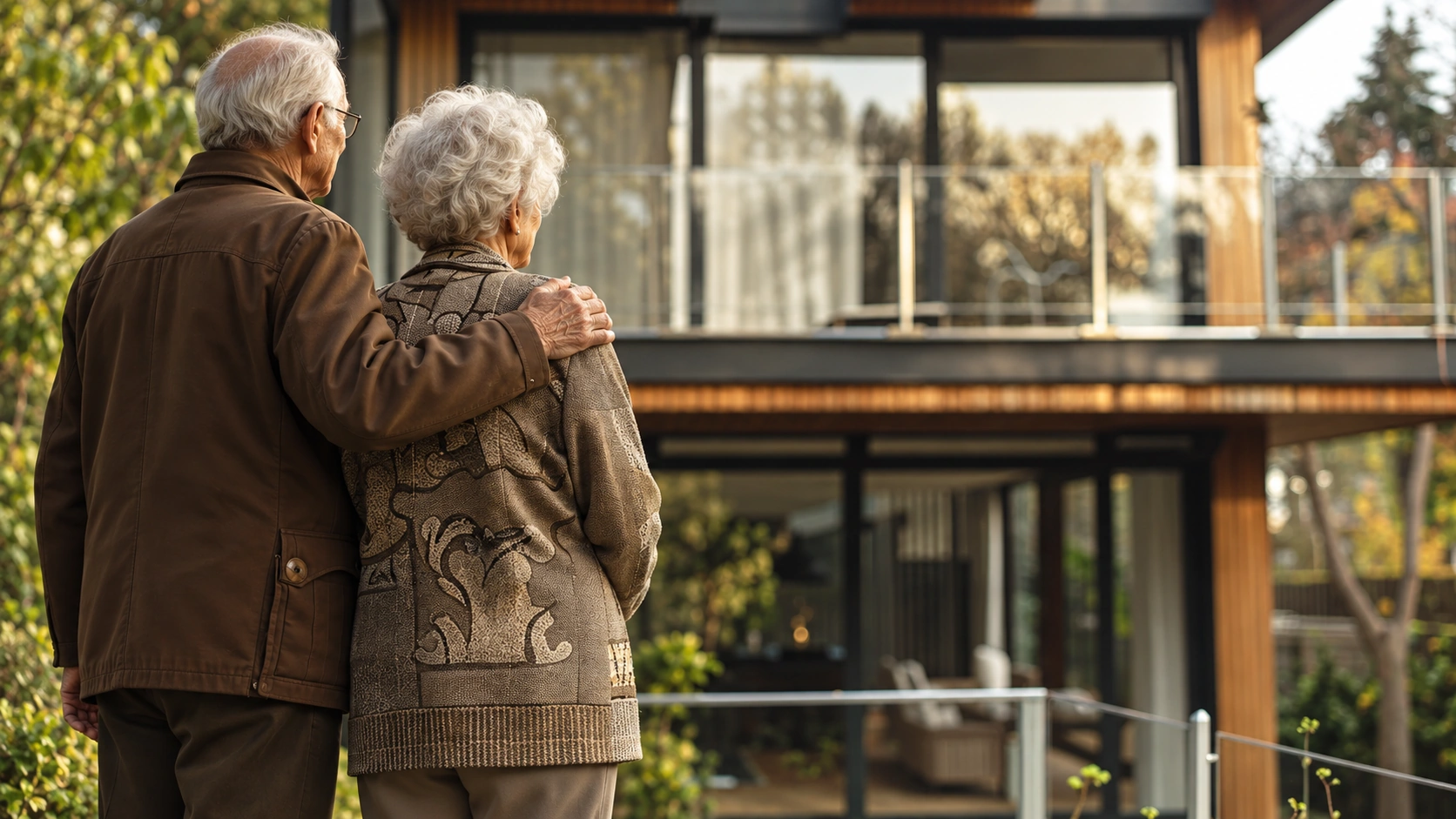
Thoughtfully designed homes can ease this transition, creating spaces where every detail says: “You are home.” Nature is a powerful ally. A green courtyard, a bed of dill or a violet on the windowsill can restore a sense of balance. In Germany, green courtyards in homes for older people reduce stress and create a welcoming atmosphere, according to research by the Fraunhofer Institute. In Japan, “Nature Therapy” gardens with flowering cherry trees and gently flowing streams have a calming effect on 80% of older visitors (Tokyo Health Sciences University, 2021). Imagine someone sitting beside a stream beneath a cherry tree in bloom, the sound of water carrying their worries away and filling them with peace. In the United States, Healing Gardens projects create places filled with rustling leaves and birdsong, helping people find their way and feel better. I recently designed a home for a couple who dreamed of a lavender bed beside their porch. Its scent took them back to their youth and summer evenings in the countryside; they smiled as they breathed in the familiar fragrance. Sometimes a little lavender by the door is enough to make a place feel like home.
Seven principles
As people grow older, they become more vulnerable: vision fades, hearing becomes less sharp, and steps grow less steady, bringing uncertainty and fear.
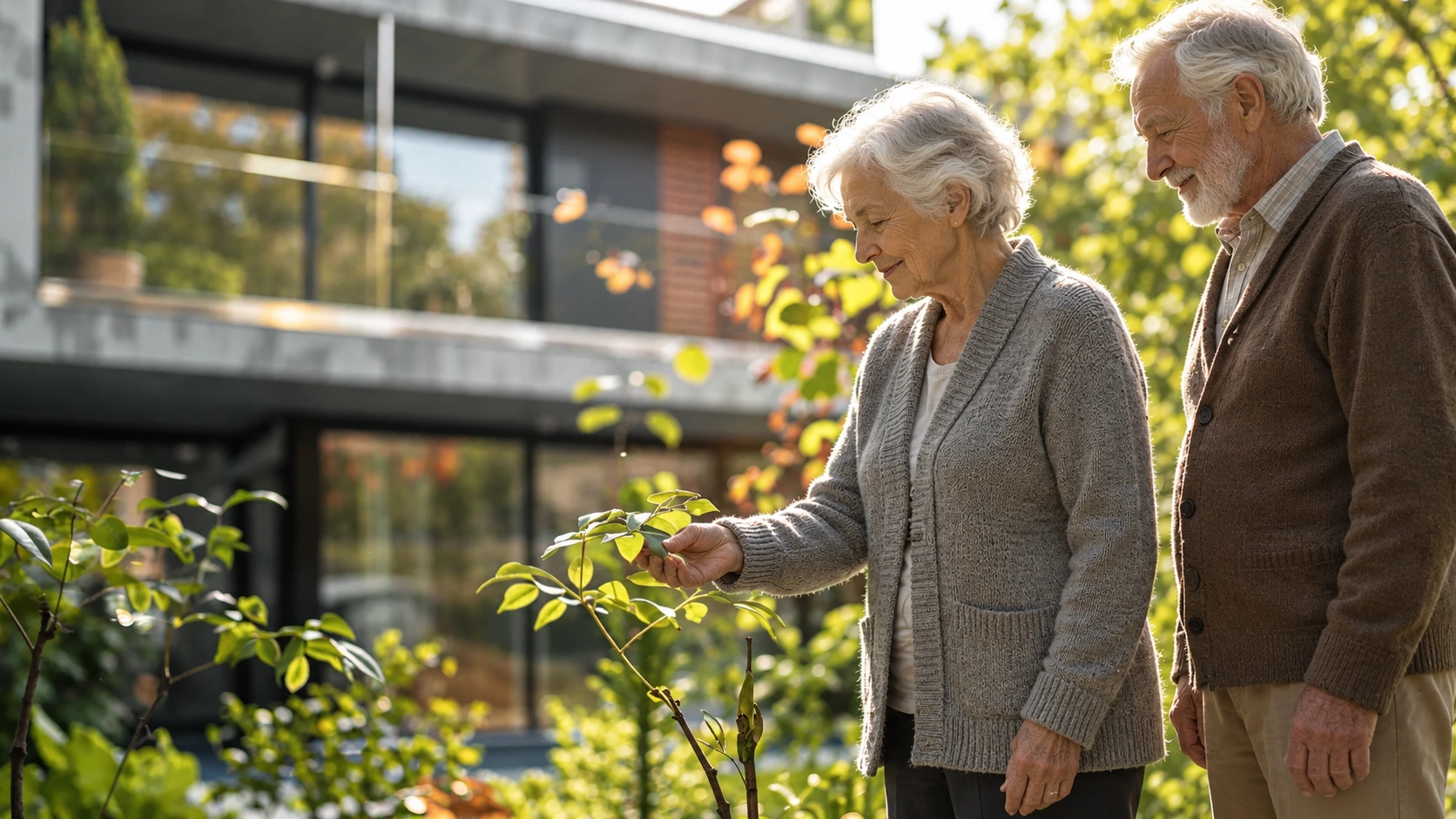
A home is more than walls. It is a place where the heart feels warmth, love and comfort. To create such a space for our older loved ones, every detail matters. I work with seven principles that help make their home a true refuge:
- Accessibility: Let the home become a friend, with spacious corridors and wide doorways that make every step easier, especially for people using a walking frame or wheelchair. Avoid thresholds and unnecessary steps; provide clear routes to reduce the risk of falls. Ramps, handrails and easily reached cabinets or shelves create comfort by keeping everything close at hand.
- Ease of use: A simple layout feels as familiar as the courtyard you grew up in. Ideally, place the older person’s bedroom on the ground floor, near the bathroom and living room. This removes the need to climb stairs and makes it easier to find the way, even when memory becomes less reliable. It supports freedom and confidence with every step.
- Personalisation: Include things that matter to the person: family photographs, treasured heirlooms or a favourite painting. These small touches fill the space with memories and create a comforting atmosphere where older people feel truly at home.
- Privacy: Personal space matters. A corner for resting, reading or hobbies, alongside a separate area for guests, helps preserve a sense of independence. Respect the person’s habits and wishes so that the home becomes their own retreat.
- Social connection: Loneliness harms both health and emotional wellbeing. A welcoming living room or courtyard for meeting family and neighbours helps prevent isolation. The space should invite conversation, helping older people feel valued and loved. In one project, I placed a bench by the entrance. The client told me: “Now I drink tea and chat with the neighbours.” Places like these bring people closer and lift loneliness.
- Safety: Home should be a secure nest, free from fear. An alarm system, smoke detectors, window guards and safety switches help prevent hazards. Emergency lighting offers reassurance during a power cut. Everything should be straightforward to use, so the older person feels comfortable being at home alone.
- Technology: Smart solutions can make life simpler and safer. Voice assistants let people control lights and appliances with little effort, which is especially valuable for those with limited sight or mobility. A medical alert system provides reassurance that help is close at hand. Remote-controlled blinds make daily life easier for people who find movement difficult. These solutions do more than simplify tasks: they restore confidence to act.

Materials, lighting and acoustics
When familiar movements become more difficult, older people need to feel supported and comfortable, close to their families. I want their days to be filled with warmth and calm, helped by small details that lift the spirit.
Steady footing
The floor underfoot is a foundation for peace of mind. Choose softer materials such as cork or linoleum to reduce strain on joints. Avoid deep-pile rugs and glossy surfaces that can confuse the eye and contribute to falls. Add non-slip mats in the bathroom and clearly distinguish wet areas from dry ones, making each step more confident. Where floor levels change, use contrasting textures or colours to help prevent trips.
Lighting
Light brings a home to life. Generous windows with lightweight curtains fill rooms with daytime warmth and soften contrasts at night, an approach suited to eyes that tire more easily. Add accessible switches and gentle lighting for reading, moving around at night and using the stairs. Soft wall colours and matt finishes remove harsh glare and make every corner comfortable to look at.
Acoustics
Quiet gives the ears a rest. As we age, sounds become harder to distinguish, so use curtains, rugs and fabric upholstery to reduce echoes. For people who wear hearing aids, reducing background noise is particularly important. Upholstered furniture and textured walls help create a comfortable environment where sounds are easier to understand.
Everyday spaces
Older people spend a great deal of time at home, so their bedroom, kitchen and bathroom need to feel welcoming and be easy to use. Let us look at ways to make everyday life easier and more enjoyable.
Bedroom
Keep the bedroom spacious, without unnecessary furniture or clutter. Choose the essentials: a bedside table, a chest of drawers and a reading chair suited to the person’s needs. Allow enough clear space to move around easily, while positioning furniture close enough to offer support when needed.
Getting out of bed can be difficult if it is too high or too low, especially for someone with back pain or arthritis. The ideal height lets the feet reach the floor with the knees bent at 90 degrees. An adjustable bed can be particularly helpful when raising the head or feet makes resting more comfortable. A soft headboard and a high-density mattress provide comfort and support for the spine. Bedside rails add security, helping the person get up and reducing the risk of falls.
Choose furniture with rounded edges to reduce the risk of injury, and durable materials that will last. For clothing storage, hanging rails at eye level or softly operating pull-out shelves make items easier to reach.
Fittings should be easy to handle: replace conventional door handles with lever handles, use large drawer pulls and avoid cold metal surfaces. Choose hinged cabinet doors that make furniture straightforward and comfortable to use.

Kitchen
Kitchen
Create a space where cooking is a pleasure. It should be convenient and safe for everyday tasks. Standing at the cooker for a long time is tiring, so provide a place to sit while preparing food and design out the need to bend or squat. Choose appliances that are simple to use and control.
Glazed cabinet doors can save time spent searching for things. If there is a kitchen island, consider a version on castors so its position can be changed easily, particularly when someone uses a walking frame or wheelchair.
Choose drawers beneath the worktop instead of cupboards. They make utensils easier to reach and more comfortable to use.
Bathroom
Bathroom
A private bathroom offers comfort and reassurance. It is an ideal arrangement, especially for people whose health needs make privacy particularly important.
The room should be spacious enough to accommodate a walking frame or wheelchair. Allow around 2.25 square metres of clear space for easy turning. A generous bathroom also allows family members to help with dressing or personal care comfortably.
Add shower enclosures and raised toilet seats to make everyday use easier. Steel grab rails beside the toilet, washbasin and shower provide dependable support. Include easily reached shelves, simple-to-operate taps and height-adjustable showers. Level-access showers with contrasting materials help people move around safely and find their way. Fit thermostatic controls and anti-scald protection to help prevent burns.

Home and dignity
Ageing is the art of adapting to change, in both body and spirit. Each person follows this path in their own way, with individual habits and dreams. Yet no one can surround an older person with warmth quite like family. Older generations helped build the world we live in, and we owe them care. A comfortable, safe and familiar home helps them feel valued and loved.
For me, architecture is more than a profession; it is a calling. As I design these spaces, I picture my own grandparents: choosing gentle light for their bedroom or a handrail that gives them confidence, and putting care into every small decision. Every detail of such a home protects a person’s dignity. My experience helps me find solutions that bring comfort, safety and joy, turning any space into somewhere people want to be. I believe good architecture can change lives for the better, supporting comfort, safety and harmony for our older loved ones.